Materials
Egyptian Marble Types: A Buyer’s Guide to Materials, Colours & Applications
How Egyptian marble types differ in colour, veining and character, from beige and cream to grey and brown, and how to match each stone to floors, walls, stairs, vanities and countertops.
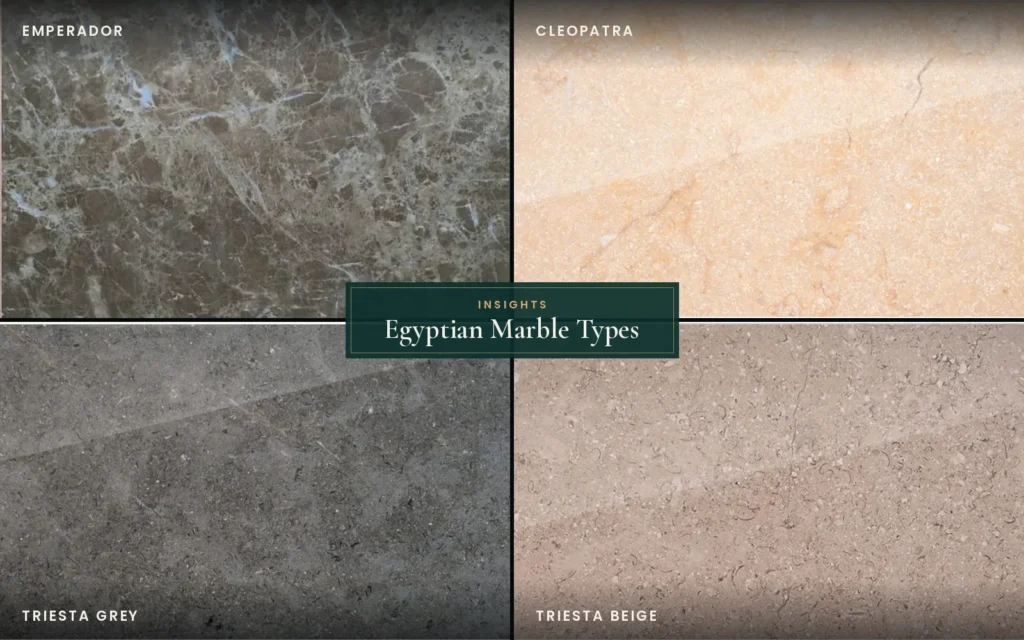
Egyptian marble is often discussed as if it were a single material. In practice, the stones sold under that name differ in background colour, veining, fossil content and how evenly they read across a large area. Those differences decide where a stone works best. This guide explains how to read them and how to match an Egyptian marble to a project before you request a quotation.
What Is Egyptian Marble?
In the stone trade, “Egyptian marble” refers to marbles quarried and processed in Egypt and supplied as blocks, slabs, tiles and cut-to-size pieces. Most of the recognised varieties are light, warm-toned stones in beige and cream, with a smaller group of greys and a few darker stones.
Trade names are commercial labels. The same quarry may produce material sold under more than one name, and similar names are sometimes used for different stones by different suppliers. When you compare offers, compare the actual material, through samples and the supplier’s material pages, rather than relying on the name alone. Commercial stone names do not always follow geological classification either, so if your specification calls for a particular stone type or technical performance, confirm it with data for the specific material.
Beacon Capital’s collection covers fourteen Egyptian marbles. Each has its own material page listing finishes, formats and suggested applications.
How Egyptian Marble Types Differ
When buyers compare Egyptian marbles, five characteristics do most of the work:
- Background colour. From pale cream through sandy and golden beige to light grey, dark grey and brown. This is the first filter for most designs.
- Veining and movement. Some stones read as almost plain; others carry lively veins that become a design feature.
- Fossil detail. Several beige marbles show small fossil fragments in the surface. Some designers value this texture; others prefer a cleaner look.
- Uniformity across a large area. A stone that looks attractive as a single slab can appear busy over a whole floor. Calm stones are easier to lay in large, continuous areas.
- Response to finish. Polishing deepens colour and sharpens contrast; honed and textured finishes soften both. The same stone can look noticeably different in two finishes.
All of these characteristics vary between quarry blocks and production batches. That is normal for natural stone, and it is why larger orders are selected for colour consistency and why samples are useful before ordering.
Why the same stone can vary
A marble name describes a range, not a fixed colour. Blocks from the same quarry differ in shade, vein density and fossil content, and the difference can be visible between two production batches of the same stone. For a small project this rarely matters. For a hotel floor or a residential development it can, so agree the acceptable range before production, order the full quantity together where possible rather than in stages, and keep a small reserve for repairs so that replacement pieces come from the same material.
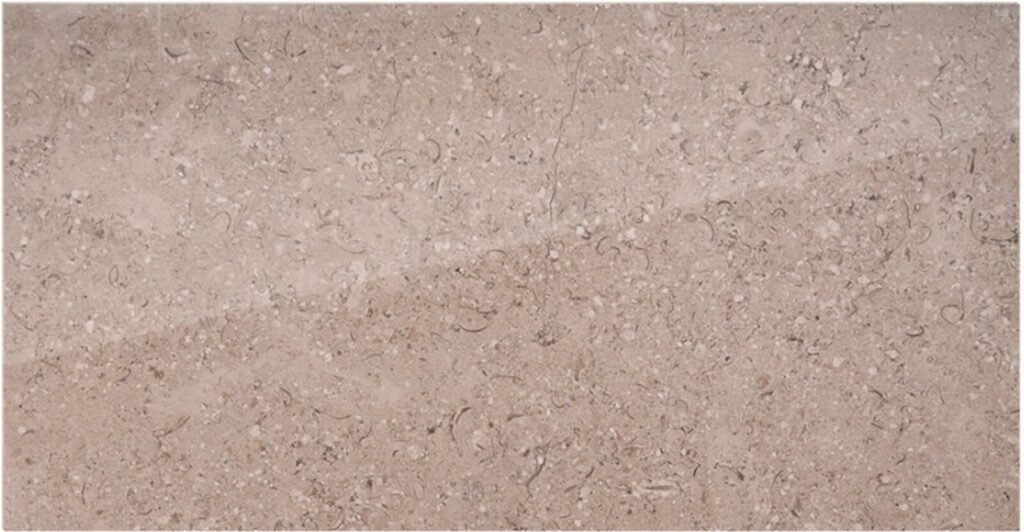
Beige & Cream Egyptian Marble
Beige and cream is the largest family and the one most associated with Egypt. Within it, the stones fall into a few practical groups.
Light and calm. Katrina is a light creamy marble with minimal veins and a clean look. Galala Extra is a light beige with a refined grain. Stones like these suit large floors, wall panels and interiors where the stone should support the design rather than dominate it.
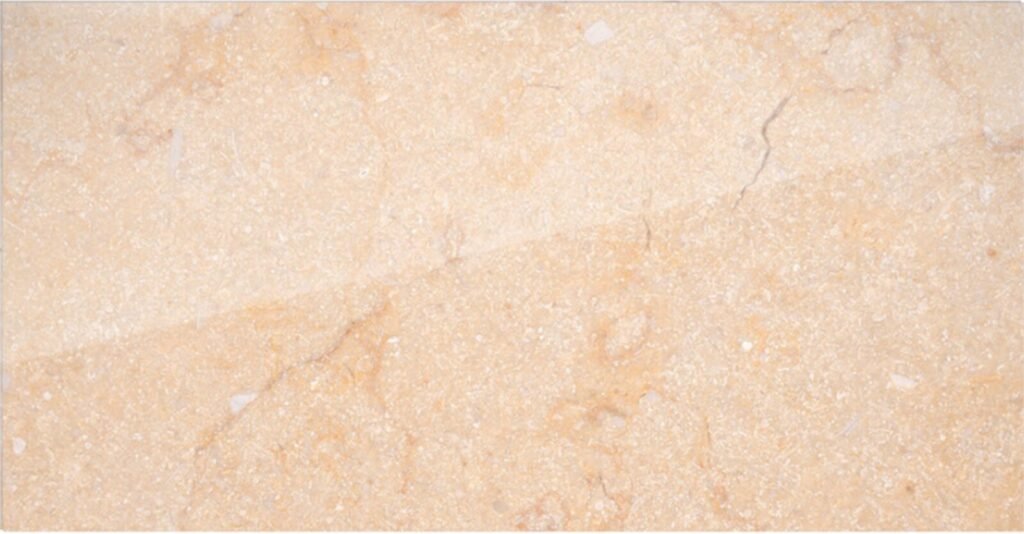
Classic beige. Galala is a soft beige marble with subtle fossil patterns and warm tones; our Galala marble buyer guide covers it in detail. Cleopatra is a classic beige with balanced patterning. Triesta Beige is a warm beige valued for its consistent pattern and tone. These are versatile choices for flooring, wall cladding, stairs and bathrooms.
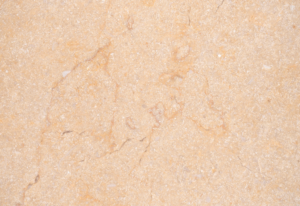
Warm and golden. Fantazia Sunny is a light golden marble with vibrant patterning. Fantazia Sylvia is a beige marble with lively natural veins. They bring more movement and warmth, which suits feature walls, lobbies and reception areas.
Deeper beige. Sunny Dark is a rich, dark beige with fossil details and depth. Imperial is a rich beige with refined veining and fossil detail. These add weight to a scheme and pair well with lighter beige stones on the same project.
Grey Egyptian Marble
The grey marbles give a cooler, more contemporary palette than the beige family.
- Egy Grey: a light grey marble with subtle natural veins, used for floors, wall cladding and bathroom walls.
- Light Nilo Grey: a light grey with a uniform tone, suited to large areas where consistency matters.
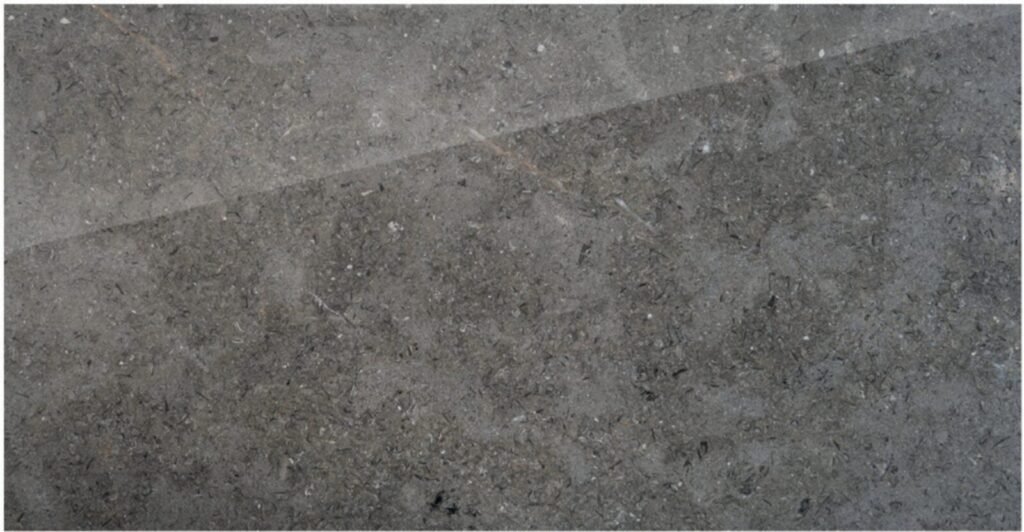
- Triesta Grey: a grey with fine patterning and soft tones.
- Egy Grey Dark: a dark grey with distinctive veining and depth, often used for contrast, feature walls and countertops.
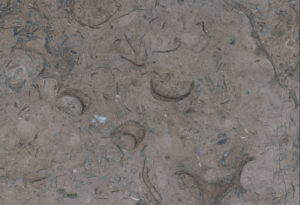
Pairing a light grey for the field with a darker grey for borders, skirting or feature areas is a common way to use the family on one project, and keeps the palette consistent.
Brown and Distinctive Varieties
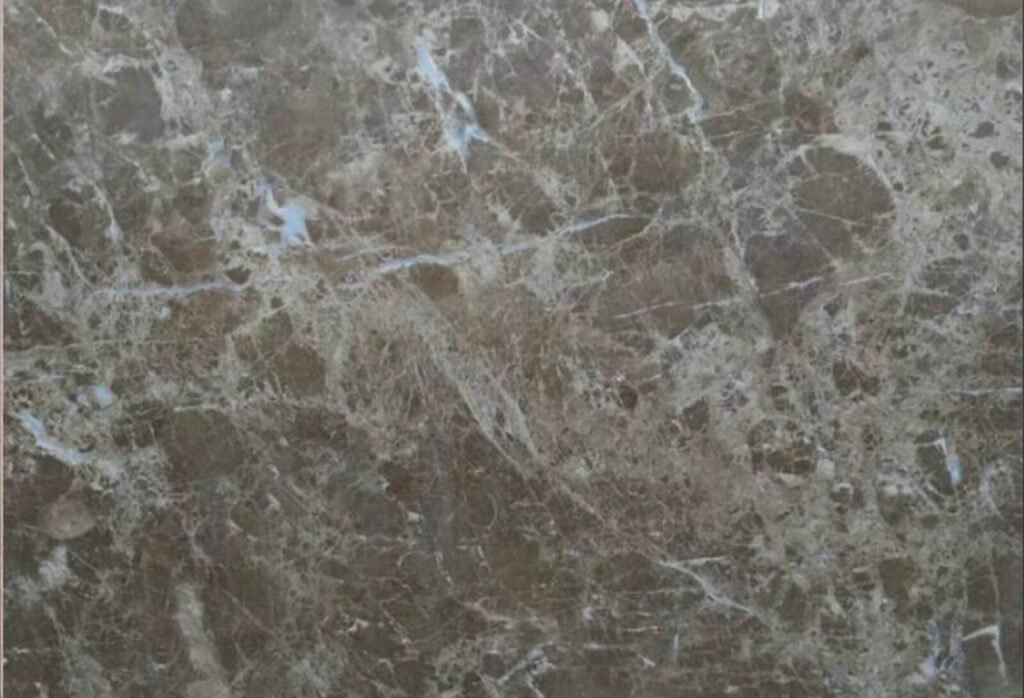
Emperador is the brown marble in the collection: a deep brown stone with golden veining. It is the most dramatic of the fourteen, and is typically used where the stone is meant to be noticed, such as reception desks, feature walls, flooring accents and cladding.
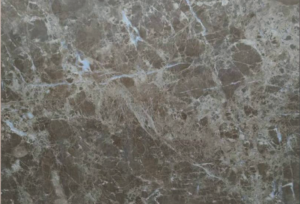
Strongly veined stones need more planning than calm ones. On walls in particular, think about how panels will sit next to each other. Our wall cladding work includes coordinated veining and panel planning where possible, which is worth discussing before panels are cut.
Choosing Marble by Application
The same stone can be a good or poor choice depending on where it goes. Use the application to narrow the shortlist, then choose the finish.
| Application | What to prioritise | Stones to consider | Solution page |
|---|---|---|---|
| Large interior floors | Even colour, calm pattern, suitable finish for foot traffic | Katrina, Galala, Triesta Beige, Light Nilo Grey | Flooring |
| Wall cladding and feature walls | Visual character, panel layout, veining | Fantazia Sylvia, Sunny Dark, Emperador, Egy Grey Dark | Wall cladding |
| Stairs | Durable finish, edge detail, anti-slip options | Galala, Cleopatra, Imperial | Staircases |
| Bathroom vanities | Colour that suits the room, careful finish choice | Cleopatra, Katrina, Fantazia Sylvia | Bathroom vanities |
| Reception desks | Statement colour and movement | Galala Extra, Emperador, Light Nilo Grey | Reception counters |
| Kitchen countertops | Finish selection and care expectations | Triesta Grey, Egy Grey Dark | Kitchen countertops |
These pairings follow the suggested applications on each material page and are a starting point, not a rule. For what to weigh up in each application, from floor layouts to stair edges and cladding panels, see choosing Egyptian marble for flooring, stairs and wall cladding. Two practical notes:
- Marble is sensitive to acids. Household acids such as lemon juice or vinegar can dull the surface. This matters most on kitchen countertops and vanities, and is one reason many buyers choose a honed or leather finish there rather than a high polish.
- Exterior use needs care. Egyptian marbles are generally recommended for interior use, with selected finishes suited to exterior areas. For terraces, steps or facades, discuss the location with the supplier and see our outdoor solutions.
Combining stones on one project
Many schemes use two marbles rather than one: a calm stone for the main floor area and a darker or more figured stone for borders, skirting, stair nosings or feature walls. Combinations within the same colour family, such as a light beige with a deeper beige, or a light grey with a dark grey, are the easiest to control. When combining stones, specify the same finish for adjacent surfaces unless the contrast is intended, because finish changes how both stones read.
Choosing the Right Finish
Finish is the second big decision after the stone itself. It changes colour intensity, the visibility of veining, surface grip and how wear shows over time. Materials such as Galala and Egy Grey are offered in up to ten finishes, from polished and honed to textured finishes for exterior use, but not every finish is available for every stone or format.
As a starting point, the finish guidance on our material pages and general practice point in these directions:
- Interior floors: honed or brushed for everyday traffic; polished for lower-risk areas where gloss is wanted.
- Walls and feature surfaces: polished to show full colour and veining, or antique and split face for texture.
- Work surfaces: honed or leather, which are more forgiving than a high polish.
- Exterior paving and steps: textured finishes such as sandblasted, bush-hammered or flamed, confirmed for the selected material.
Our marble finishes guide explains each finish, where it performs well and how to specify it.
What Importers Should Specify
When you have a shortlist, turn it into a specification a supplier can quote against:
- Material name and, if colour matching matters, the reference it must match: a sample, an earlier order or a design board.
- Format: slabs, tiles or cut-to-size pieces.
- Dimensions and thickness: for example 20 mm or 30 mm, which are listed for materials such as Galala.
- Finish for each item, with the location where it will be installed.
- Quantity per item, so material can be selected for consistency across the order.
- Sample requirements before the order is confirmed.
- Destination and preferred delivery term.
For the full process from enquiry to delivery, read our guide on how to import marble from Egypt.
Explore Beacon Capital’s Egyptian Marble Collection
Every stone mentioned here has a material page with finishes, formats and applications. Browse the full Egyptian Marble Collection, or, if your project combines marble with granite, see our guide to Egyptian granite types.
When you are ready, send your shortlist, dimensions, finish, quantity and destination through Request a Quote, and our team will confirm availability and prepare a quotation.
Planning a project with these materials? Our Egyptian Marble Collection page lists each stone's finishes, formats and applications.
Need this specified for a project?
Share your material, finish, dimensions and destination. Our team will confirm availability and prepare a quotation.
Request a Quote