Applications
Choosing Egyptian Marble for Flooring, Stairs & Wall Cladding
How to choose Egyptian marble by application: what to weigh up for flooring, staircases, wall cladding, vanities and reception counters, how finish changes the result and what to confirm with a supplier.
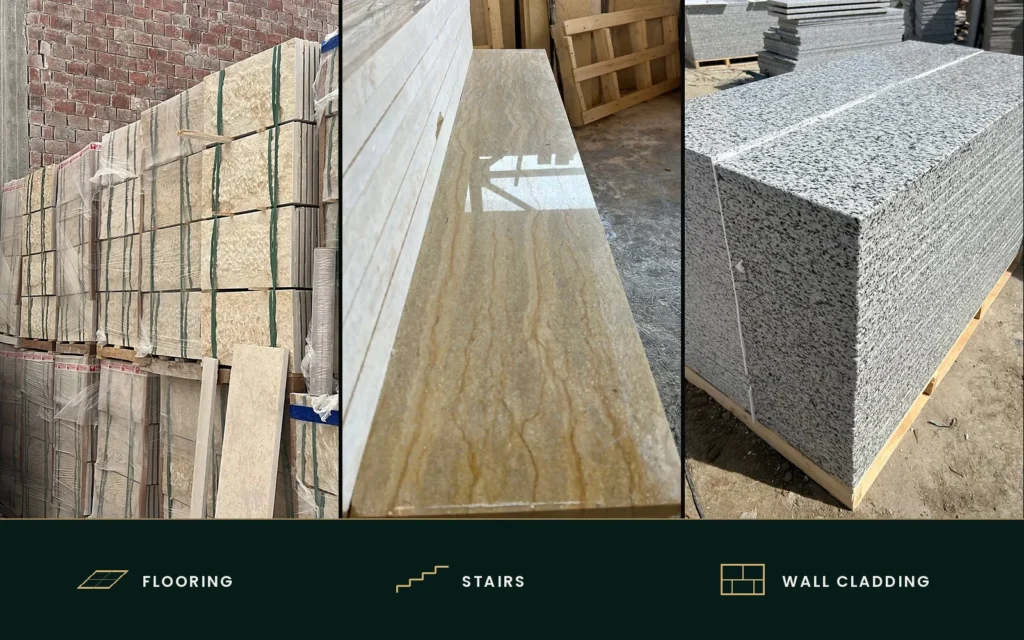
The same Egyptian marble can look and perform quite differently on a floor, a staircase or a feature wall. Choosing well means starting from the application and working back to the stone, the finish, the format and the fabrication. This guide is for architects, designers, contractors and buyers selecting marble for a specific use. It explains what to weigh up for each application and what to confirm with the supplier. It does not rank stones, because there is no single best marble: the right choice depends on the space, the design and the specification.
Why Application Matters When Choosing Marble
Every stone in Beacon Capital’s Egyptian Marble Collection lists flooring, staircases, wall cladding, bathroom vanities and reception counters among its applications. The question for a project is rarely whether a marble can be used somewhere, but how it should be specified for that use.
A floor is walked on and seen across large areas. A stair adds edges and changes of level. A wall is seen at eye level, often in large panels. A vanity top meets water and daily use. Each of these changes what matters most: the finish, the format, the edge detail, how much visual variation the design can take, and what the supplier needs from you to fabricate it.
What to Consider Before Choosing a Material
- Visual character: colour, veining, fossil detail and how much movement the design can carry.
- Finish: how the surface should look and feel in that location.
- Dimensions: tile or panel sizes, slab sizes, and the pieces shown on the drawings.
- Indoor or outdoor context: Egyptian marbles are generally recommended for interior use, with selected finishes suited to exterior areas.
- Traffic and use: a residential corridor and a hotel lobby place very different demands on a floor.
- Design consistency: whether the stone must read as one continuous surface across several areas.
- Fabrication requirements: edges, cutouts, stair profiles and other details that must be produced to drawings.
For how the stones differ in colour and pattern, see our guide to Egyptian marble types, which also suggests starting pairings between stones and applications.
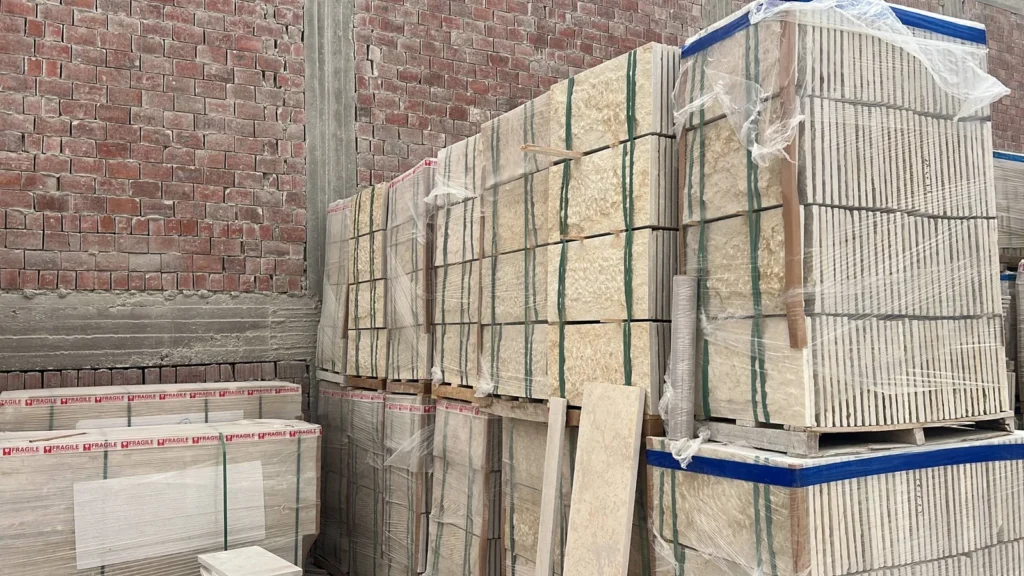
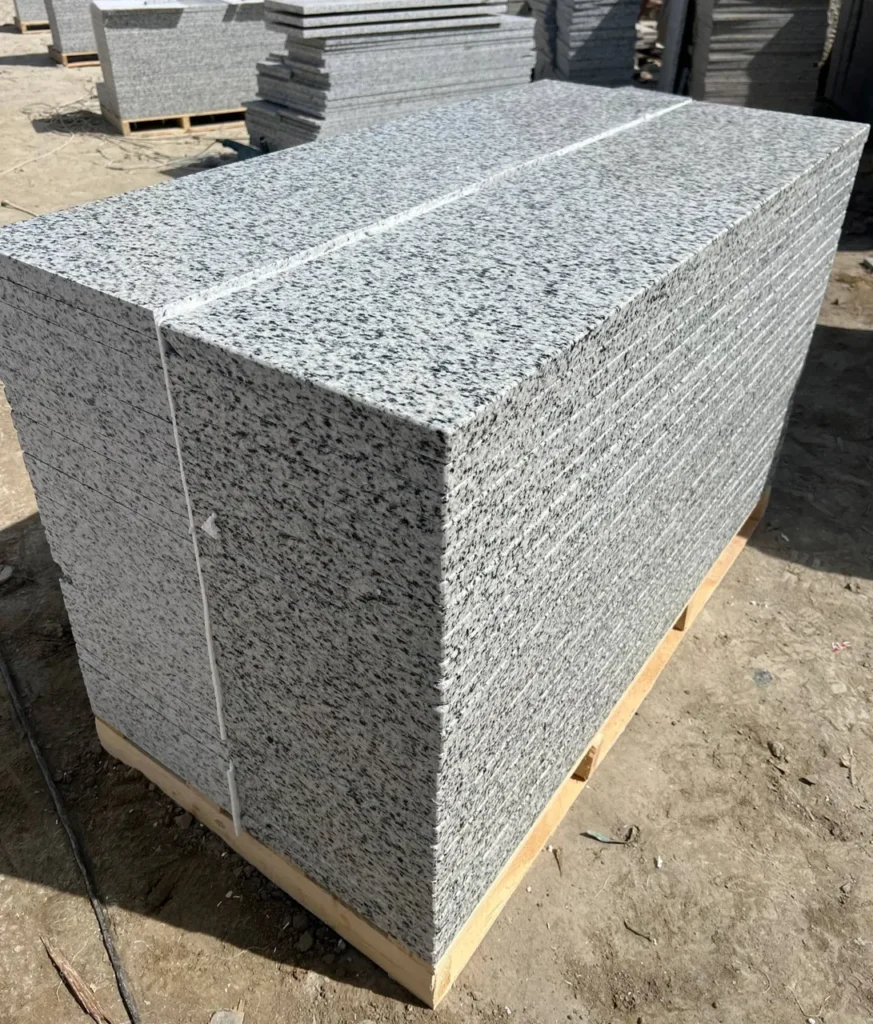
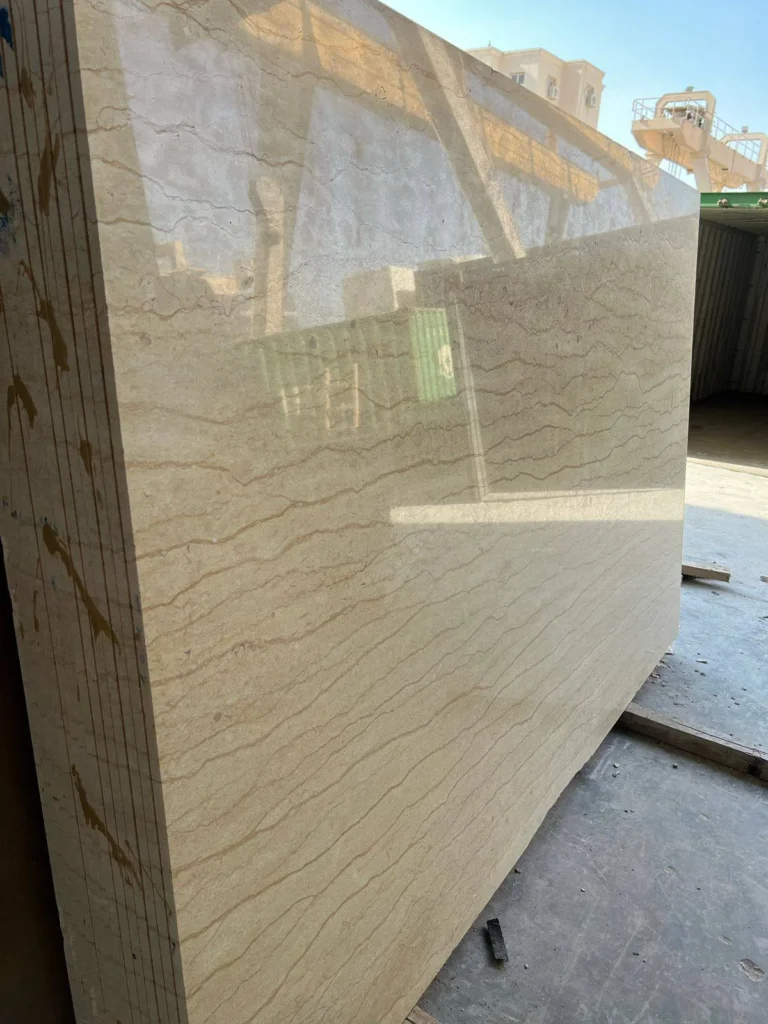
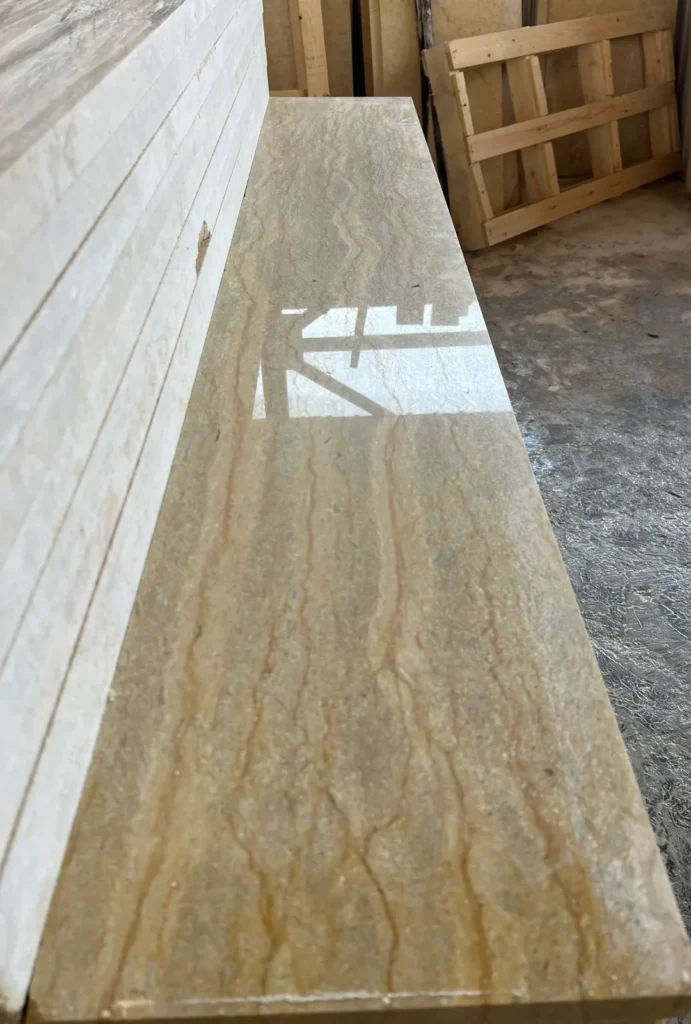
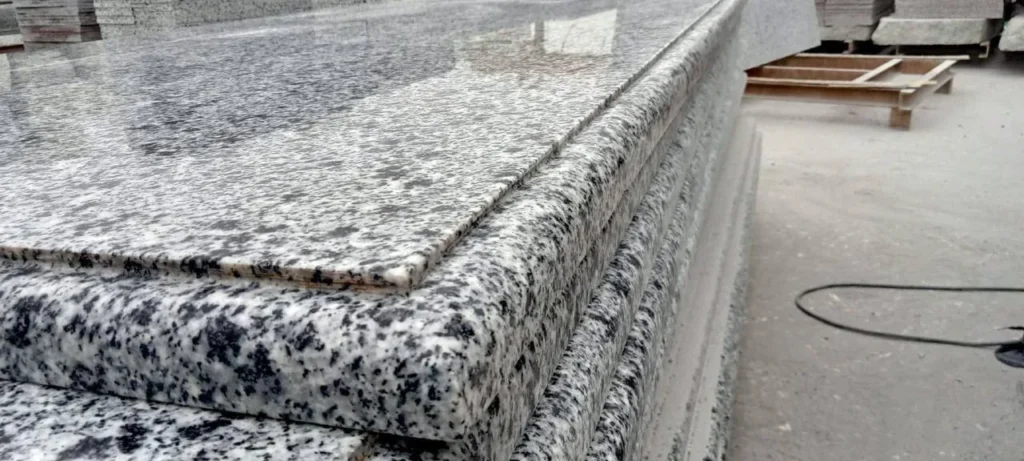
Egyptian Marble for Flooring
On floors, marble is seen as a whole. A calm, even stone reads as one surface across a large area, while a stone with strong movement makes the floor a feature in its own right. Buyers typically consider:
- Pattern and scale: how the stone’s movement will look across the full floor, not only on a single tile.
- Finish: Beacon Capital’s Flooring page lists polished, honed, brushed and other confirmed finishes, with the finish selected according to the required application, including where slip resistance matters.
- Format and layout: standard or cut-to-size tiles, laid straight, modular, diagonally or to a project-specific layout.
- Borders and details: borders, inlays and cut-to-size details where technically confirmed.
- Underfloor heating: compatibility is evaluated per project according to the material, thickness and installation system.
The Flooring page features Galala, Cleopatra and Imperial among the marbles recommended for floors, describing Galala as a warm beige with soft, even movement and Imperial as having consistent veining and warm tones. These are examples from the page, not a ranking; any stone in the collection can be discussed for a floor.
Egyptian Marble for Staircases
A staircase combines traffic, visible edges and changes of level, so fabrication detail matters as much as the stone. Beacon Capital’s Staircases page covers:
- Tread and riser format: treads, risers and landings produced to approved drawings, with closed or open riser arrangements.
- Finish: polished and honed finishes, with anti-slip finishes and grooving available on selected materials.
- Edge fabrication: bullnose, half-bullnose, bevelled and mitred profiles.
- Shape: straight flights, and curved or radius pieces produced from approved templates.
- Visual continuity: joint positions planned to slab size and configuration, so the stair reads consistently from top to bottom.
If the stair continues a marble floor, specify the same stone and decide early whether treads should share the floor finish or use one with more grip.
Egyptian Marble for Wall Cladding
Walls are seen close up and at eye level, often as large continuous areas, so selection and layout carry more weight than on almost any other surface. Beacon Capital’s Wall Cladding page describes:
- Visual selection: coordinated panel selection, with vein matching where the selected material and block availability allow.
- Panel dimensions: custom sizes according to approved project dimensions.
- Pattern and veining: horizontal, vertical, modular or project-specific panel arrangements.
- Finish: polished, honed, brushed and sandblasted options, subject to the material.
Exterior suitability is evaluated for each project according to the selected stone, finish, climate and fixing system. Installation is carried out by the appointed contractor, with panels prepared according to the approved fixing requirements.
Egyptian Marble for Bathrooms and Vanities
Vanity tops are fabricated elements rather than flat tiles. On Beacon Capital’s Bathroom Vanities page, tops are listed in 20 mm and 30 mm thicknesses, in polished, honed or leathered finishes, with basin cutouts and tap openings made to approved templates and drawings, and matching backsplashes and side returns. When choosing the stone, consider how it relates to the bathroom’s floor and wall surfaces, and choose the finish with daily use in mind.
Egyptian Marble for Reception and Commercial Interiors
A reception counter is often the first surface a visitor sees, which makes it a natural place for a stone with more character. The Reception Counters page lists straight, L-shaped, U-shaped, curved and modular configurations, front and side cladding to approved elevations, transaction ledges and 20 mm or 30 mm tops in polished, honed or leathered finishes. Because a counter combines several faces, plan how the veining should run across them and where joints will fall.
How Finish Changes the Result
Finish changes colour, the visibility of veining and the feel of the surface. The same marble polished on a wall and honed on a floor can keep a scheme consistent while suiting each surface. The trade-off is that a stone must be judged in the finish it will actually have: a polished sample will not show how the same stone looks honed. Our marble finishes guide explains each finish in detail, including interior and exterior considerations.
Comparing Marble Samples for a Project
Samples are the best way to compare stones, but they need to be read correctly:
- Compare in the right finish, and ideally in similar light to the space where the stone will be installed.
- Look at more than one piece. A small sample cannot show the full range of a stone, and marble varies between blocks and production batches.
- Decide how much variation is acceptable for each application. A feature wall may welcome movement that a large, calm floor would not.
- Agree the approval method for production material, such as a reference sample or photographs of the actual selected material.
- Keep the stone consistent across areas that must match, by specifying one material, one finish and, where the project requires it, one production selection.
Material Selection Checklist by Application
| Application | Primary design consideration | Common format | Finish consideration | What the buyer should confirm |
|---|---|---|---|---|
| Flooring | Pattern and colour across a large area | Standard or cut-to-size tiles | Suited to traffic and slip-resistance needs | Finish, tile size, layout, any underfloor heating |
| Staircases | Edges and continuity between steps | Treads, risers and landings to drawings | Grip on treads; anti-slip options on selected materials | Drawings, edge profile, riser type, finish |
| Wall cladding | Veining and panel layout at eye level | Panels to approved dimensions | Polished to show colour; other finishes for texture | Panel sizes, arrangement, vein matching, fixing requirements |
| Bathroom vanities | Relation to surrounding surfaces | Fabricated tops, 20 mm or 30 mm | Chosen with daily use in mind | Basin templates, tap positions, backsplash and returns |
| Reception counters | Character and veining across several faces | Tops and cladding panels to elevations | Polished, honed or leathered | Configuration, elevations, joint positions, ledges |
Explore Egyptian Marble Materials
Each stone in the Egyptian Marble Collection has its own page listing finishes, formats and applications. For the character of the stones, see our guide to Egyptian marble types; for a closer look at Galala, a warm beige marble featured on several of our solution pages, see the Galala marble guide.
Send Your Project Requirements
To receive a quotation, send the application, preferred stone or colour family, finish, dimensions or drawings, quantity and destination through Request a Quote. For fabricated elements, include the drawings, edge profiles and cutouts, so the stone can be specified for the way it will actually be used.
Planning a project with these materials? Our Egyptian Marble Collection page lists each stone's finishes, formats and applications.
Need this specified for a project?
Share your material, finish, dimensions and destination. Our team will confirm availability and prepare a quotation.
Request a Quote